Best Time to Visit Europe from India: Season-by-Season Guide
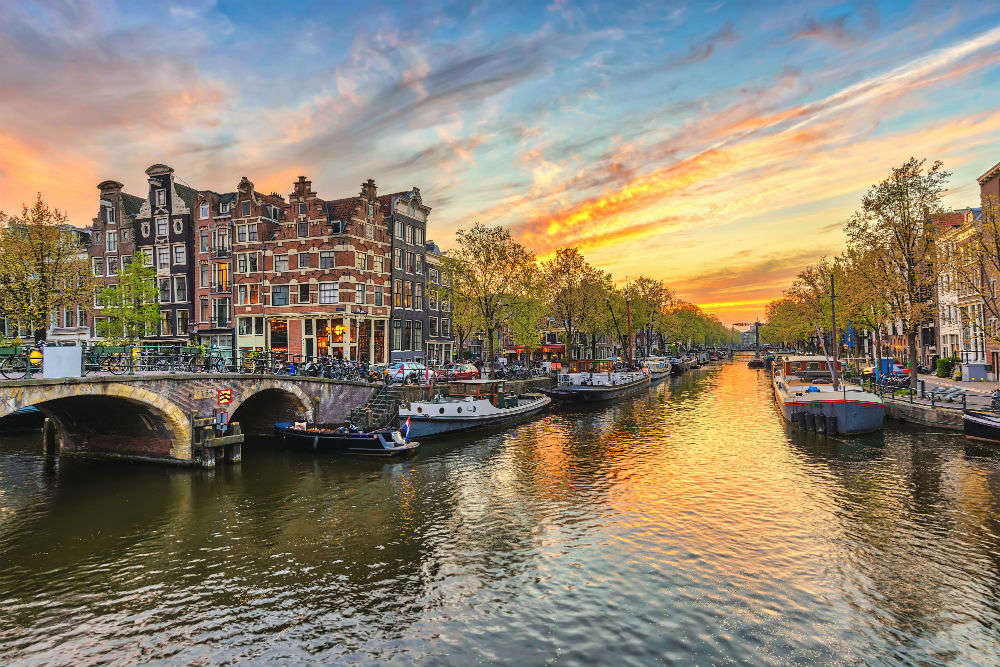
Let’s break it down season by season, and along the way, we’ll include popular highlights like theme parks in London and hidden gems such as offbeat places in London to help you create the perfect itinerary.
Spring (March to May)
Spring is one of the best times to visit Europe. The weather is pleasant, the flowers are in bloom, and the tourist crowds are still thin. From the cherry blossoms in Paris to the tulips in the Netherlands, spring paints Europe in vibrant colors.
Weather: Mild temperatures (10°C to 20°C), ideal for sightseeing.
Best For:
-
Romantic getaways and honeymoon trips
-
Exploring gardens and parks
-
Budget-conscious travelers avoiding the summer rush
Top Destinations:
-
Amsterdam: Visit during mid-April to witness the iconic tulip fields at Keukenhof.
-
Paris: Explore charming outdoor cafes and the Seine River without the summer crowds.
-
Switzerland: Enjoy off-season rates before the summer boom.
Spring is also a great time to visit offbeat places in London, such as Holland Park’s Kyoto Garden or the colorful streets of Notting Hill, before peak season begins.
Summer (June to August)
Summer is peak tourist season in Europe—and for good reason. The continent bursts with festivals, open-air concerts, and long sunny days. This is the perfect time for beach vacations, hiking adventures, and urban exploration.
Weather: Warm and sunny (20°C to 35°C), though southern Europe can get hot.
Best For:
-
Families with kids on school vacation
-
Attending music and cultural festivals
-
Visiting beaches in Spain, Greece, or Croatia
Top Destinations:
-
Italy: Perfect for exploring Rome, Venice, and the Amalfi Coast.
-
Spain: Attend La Tomatina or relax in Ibiza.
-
Greece: Sunbathe in Santorini or enjoy a ferry ride between islands.
If you’re traveling with kids or thrill-seekers, summer is ideal for theme parks in London like Thorpe Park or Legoland Windsor, thanks to extended opening hours and special summer events.
Things to Keep in Mind:
-
Prices for flights and hotels are highest.
-
Tourist crowds can be overwhelming in major cities.
-
Book accommodations and tickets months in advance.
Autumn (September to November)
Autumn is another wonderful shoulder season. The crowds thin out, the air is crisp, and the foliage transforms landscapes into rich hues of red, orange, and gold.
Weather: Cool (10°C to 18°C), occasional rain showers.
Best For:
-
Photography lovers and cultural explorers
-
Budget travelers looking for off-season deals
-
Wine and food lovers (harvest season)
Top Destinations:
-
Germany: Visit during Oktoberfest in Munich or explore the Black Forest.
-
France: Stroll through vineyards in Bordeaux or Loire Valley.
-
Austria: Experience music festivals and scenic drives through Tyrol.
Take a walk through Hyde Park or explore offbeat places in London like Daunt Books or Leighton House Museum during the fall. It’s the perfect time for cultural exploration without the summer heat.
Winter (December to February)
Winter in Europe can be magical—think Christmas markets, snow-covered streets, and festive cheer. It’s also ski season, drawing adventurers to the Alps.
Weather: Cold (0°C to 10°C), with snowfall in many parts.
Best For:
-
Snow lovers and skiing enthusiasts
-
Holiday markets and seasonal shopping
-
Cozy getaways and spa retreats
Top Destinations:
-
Switzerland: Zermatt and Interlaken for skiing.
-
Austria: Visit Salzburg for Christmas magic.
-
Czech Republic: Prague offers fairy-tale vibes in winter.
London lights up with holiday markets, festive lights, and seasonal shows. Explore theme parks in London like Winter Wonderland in Hyde Park, which transforms into a festive extravaganza during December.
Tips for Winter Travel:
-
Pack warm clothes and waterproof boots.
-
Check for winter closures in remote areas.
-
Use public transport to avoid driving in snow.
Best Time Based on Travel Style
1. For Honeymooners: Spring (April–May) or early Autumn (September) offers romance and fewer crowds.
2. For Families: Summer (June–August) is ideal, especially if you're planning to include attractions like theme parks in London.
3. For Budget Travelers: Winter (January–February) or shoulder seasons (March, October) offer lower rates.
4. For Adventure Enthusiasts: Visit in summer for hiking or winter for skiing.
5. For Culture Buffs: Autumn is perfect for local festivals, music events, and wine tasting across Europe.
Pro Tips for Planning by Season
-
Check local events: A city may be crowded or expensive due to a major event.
-
Layer your clothing: European weather can change quickly, especially in spring and autumn.
-
Book early for summer: Hotels and trains get booked fast from June to August.
Conclusion
There’s no single “best” time to go on a Europe trip—it all depends on what kind of experience you’re looking for. Spring and autumn offer pleasant weather and fewer crowds, while summer is lively and festive. Winter brings a fairytale feel with snowy landscapes and Christmas cheer.
Whether you're exploring classic sites, adventuring through offbeat places in London, or spending quality time in theme parks in London, timing your trip right can make all the difference. With this seasonal guide, you’re now ready to pick the perfect window for your unforgettable European journey.


Comments
Post a Comment